Showing posts with label challenge. Show all posts

Monday, September 24, 2012

Food Safety Modernization Act, What Can You Do About It?

Global food production has rapidly been consolidated in recent decades, with some troubling results. The takeover of the food industry by a few multinational corporations has radically shifted the focus of food production. 

Increased competition and profit over quality has led to cutting corners. It has become such a common practice across all aspects of food production; from waste management to the quality of animal feed to the technical training that farm and food workers receive. The consequences have largely come at the cost of consumers and the safety of their food.

Here are the 5 top consumer food safety concerns that came out of the analysis of the new FDA Food Safety Modernization Act.
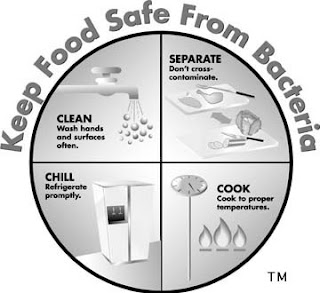
1. Foodborne Illness - A foodborne illness is still the most prevalent risk with food. It’s made even more so by high-density, low-sanitation livestock facilities, among other factory farm practices, which spread disease at a frightening pace.

76 million Americans suffer from food poisoning each year. More than 300,000 people are hospitalized every year for food related illnesses and more than 5,000 of those people die. Of course, this can be mitigated with better education about food safety and preparation, but it could also be mitigated by better practices on the production, processing, and distribution end.

2. Contamination - While bacterial and viral contamination that cause foodborne illness are most people’s primary food safety concern, there are also a wide variety of other substances that leech into food and can cause health issues. Heavy metals like lead, mercury, and cadmium are occasionally found in food; ingesting heavy metals can lead to serious cases of poisoning, as well as related diseases like Minamata disease from mercury and Itai-Itai disease from cadmium.
3. Pesticide Exposure – Pesticides are a food contaminant that warrant special mention. Pesticides are used in many agricultural operations, from fruit and vegetable production to animal feeding operations. Exposure to pesticides has been linked to infertility, birth defects, nervous system damage, poisoning, and even cancer. Washing produce is an important way of reducing pesticide exposure, but there are also organic farmers who do not use synthetic pesticides to begin with.
4. Antibiotic Resistance – One of the side affects of treating dairy cows with Monsanto’s recombinant bovine growth hormone (commonly known as rBGH) is also increased risk of udder infection. Rather than simply halting use of the hormone, many American companies began using antibiotics excessively as a preventative measure instead. Widespread overuse of antibiotics can cause the development of antibiotic resistant diseases and infections. Bacteria can rapidly evolve this trait with prolonged exposure to antibiotics and using antibiotics in a preventative manner rather than therapeutically can lead to diseases and infections that are untreatable.

5. Environmental Effects – Agriculture is a major contributor to greenhouse gas emissions and environmental pollution. Soil degradation, water and air contamination, destruction of ecosystems, and climate change are some of the negative ecological consequences of agricultural operations. While there is increasing awareness of these issues and innovative attempts to address them, the de facto practices of the agriculture industry remain troubling.

You can combat these concerns in very simple ways.

1. Foodborne Illness - Purchase food stuffs produced locally to minimize exposure to multiple contaminants that come from people handling the product. Also produce picked and sold at market within a 100 mile radius has less chance of deteriorating and resulting in food poisoning. Wash and store food properly. If you're not certain how to handle  certain items go to this website.

2. Contamination - Read the label, ask the grocer questions about country of origin, name of farm, and contact the company to ask about production and processing. Do some research on items that you cannot get locally. The Fair Trade label usually implies it was harvested to the greatest benefit of the worker, but it also often means it was produced to be ethically and environmentally sound.

3. Pesticide Exposure – Organic labels let you know that the product was produced using no to very little natural/environmentally friendly pesticides.

4. Antibiotic Resistance – Look for labels that read organic, no rGHB, and look for local producers and farmers to get your eggs, dairy, meat, and poultry from.

5. Environmental Effects – Trying growing your own garden, sign up to a CSA, and participate in recycling programs in your community.

This website can connect you with some excellent information about all of these above issues and concerns.

Monday, September 17, 2012

Moldy Monday - Waste Not Want Not

I heard that! "Oh it's just a little bit of mold. I can just pick that right off. My kid won't notice the hole in the crust. They're not going to even eat the crust...are they?"

Fess up. How many have you done this?

That's what I thought. All of you. Seriously?! I hate to tell you this but once one spot appears, you can bet the whole loaf is covered with a fine network of hyphae which can be so fine that they are not visible to the naked eye.


Necklace from Artist Sarah Norton's
Etsy store Beat Black


My dear there is nothing worse than wasting food. You don't want to throw it out, you don't want to eat it. I get it. Blagh-urgh! But is there a way to avoid food poisoning and not toss the bread in the garbage? Absolutely.

First take the bread you do have and cut it up into smaller pieces and compost it, but be certain it's covered by a layer of compost to prevent animals or birds from eating it. If you don't or can't compost you are going to have to toss it. 

The best way to manage bread is to keep it at room temperature (Vintage bread boxes are kickass!) only as much as you can eat before mold appears.

What amount is that exactly? Jezzum, how should I know?! My family is all over the map with this. Sometimes it's four loaves of sliced bread in a weekend. Sometimes it's two slices.


My family is fickle too. None of that crappy Wonder/Bimbo bread. They want whole grain, honey oat, sweet sponge, fancy pants bread that mold LOVES!!!! So I blow $4 on a loaf and hope they eat it all. And get all cranky pants when they don't.

You can freeze loaves and thaw it in it's closed plastic bag. Bread products should not be refrigerated, because they will go stale, unless they're sweet breads like cinnamon swirl or breads with fruit and nuts in it.

If you have a funny bread or mold story, please share it below.


Wednesday, August 15, 2012

NOFA-NY's 3rd Annual Locavore Challenge Begins this September

The Locavore challenge starts with “vote with your dollar,” and takes it a few steps further, by encouraging folks to participate in a variety of events and challenges that support their local economies, encourage organic and sustainable growing practices and propel the movement.

Like last year, the rule is 250. Products from within a 250 mile radius is the main challenge you'll be aiming for. This challenge asks you to commit to eat as close to 100% locally and sustainably produced food during the month of September.
You can choose to take a day, a week or a month-long 250 mile diet challenge.
Click on the Challenge Button to the right to learn more about the challenge and to register.

There are a few exceptions to the rules that you can choose to use to help you through the challenge.

Marco Polo Rules
Salt, spices and seasoning do not need to be local. Feel free to use yeast, baking soda, baking powder, etc. (Though, if you can, try to locally source these too!)

Wild Cards
You can choose up to five wild card ingredients that cannot be sourced locally but that you feel you cannot live without. Typical items include: coffee, chocolate, sugar, tea, olive oil, nuts and rice. You are encouraged to purchase Certified Organic and Certified Fair Trade items if they cannot be sourced locally.

New this year, is the 30 Challenges in 30 Days calendar to help guide consumers in exploring the challenge each day during September. The calendar will include daily challenges, recipes, tips, events and more.


The challenge ends with a state-wide potluck! You can join us Sunday, September 30th from 6 to 8pm at the Unitarian Universalist Church of Buffalo's Parish Hall. Please click on the link to RSVP to the potluck.

Friday, July 13, 2012

Apologies to all of my readers...

This heat and drought has left me making smoothies and grilling and that's not all that interesting to write about. One can only say so much about, "Throw eight fruits and a fistful of kale in a blender and blend on high speed till it's green and smooth". Meh...

But I will be talking about other people and their scrumptiousness!

Look for a write up on Lucy's Ethiopian Cuisine.

A tour of Community Beer Works!

A shout out to JJ's Jams and a recipe using their jelly. A brand new West Side business, created by canning duo, Jackie McGee and Jean Doerr. Their rhubarb jelly is stupefying!

Lastly, a NEWS FLASH concerning NOFA-NY's CSA Fund as well as their 3rd Annual Locavore Challenge that I will be captaining again this September, potluck and all.

So be patient and in the meantime check out some of my easy peasy summer time recipes from last year. Last year was the Year of the Long Wing, looks like this year is the Year of Grilled Fish...so stay tuned!


Monday, March 5, 2012

Nickel City Chef 1 - The Battle, the Booze, the Loot and the Swag Bag

Chef Brian Mietus of Bacchus was the Nickel City Chef who competed against Chef Dunbar Berdine of Black Rock Kitchen & Bar in a fight, that to my senses was a closer fight than what the final tally showed.
This was Nickel City Chef's second battle of Season 4 and it was a well orchestrated ballet of executive chefs, cameras, sous-chefs, commentators, wait staff, and overly excited audience members. I was surprised by the number of cameras flowing back and forth between the two stations, the number of people walking around trying to catch a closer look, and the chatter from the crowd.
The smell of Chef Berdine's pork-belly in the pressure cooker, mingled with the scent of sweet fruit and simmering cider was dizzying.

The team from Leonard Oakes Estate Winery who produced SteamPunk Cider were thrilled to participate as this round's secret ingredient. A blend of traditional bitter sweet apples and new age dessert apples, like Fuji and Braeburn, this cider is light, sweet, with a sharp acid finish.

To top it all off, I won the sauce and book prize. Krista VanWagner, a Nickel City Chef, provided two bottles of her outstanding Krista's Jamacian Jerk and Hot Sauce. The book looks to be signed by everyone and I can't wait to crack it's spine and get started with producing the mouthwatering recipes in it! A big thank you to Christa Seychew, Feed Your Soul, Artisan Kitchens & Baths and all of the behind the scenes folks who made this event so enjoyable!
       

Tuesday, February 28, 2012

Occupy Our Food Supply - Buffalo's Eat At Home Create & Resist Challenge

As part of my continuing conversation on food ethics, access, and security, I took part in the global challenge on February 27th, of actively engaging in the food system and making it mine. The challenge I set up through Occupy Our Food Supply specifically for Buffalo was:

I encourage you not to eat out today, Occupy your kitchen. Have an eat-in with your family and friends. Engage in a conversation about food, where it comes from, how it got to your table, and what the future of food looks like to you. Take the time, make something not from a box or a can. Sit and enjoy your meal without the distractions of tv, phones, or computers. Think about what you can do starting right now, in making a difference in your home, your neighborhood, your city, your state, your country, your world.

So we Occupied our head space, physical space, each other's space. We read, did homework, cooked, and got together to eat dinner like we do every night. 
We enjoyed a meal made from scratch. The pierogies were made the day before during another one of my cooking classes. 
The floss sauerkraut came from the Famous Horseradish stand at the Broadway Market. The sausages of course were polish and fresh from Spar's European Sausage Shop.
The cream sauce was minced garlic, grated parmesan, cream, and butter. All but the parmesan was local.
I encourage you to Occupy your Kitchen every meal you are able. Talk about your food, have a relationship with your food sources and "Think about what you can do starting right now, in making a difference in your home, your neighborhood, your city, your state, your country, your world."

Wednesday, December 28, 2011

Gingersnap Gingerbread Geodesic Domes


3/4 cup unsalted butter, room temperature
1/2 cup brown sugar and 1/2 cup white sugar
1/4 cup unsulphured molasses
1 large egg
1/2 tsp pure vanilla
2 cups mix of whole grain wheat and white flour
1/2 tsp baking soda
1/4 teaspoon salt
1 1/2 teaspoons ground cinnamon
2 teaspoons ground ginger1/2 teaspoon ground cloves

In a large bowl, beat the butter and sugars until light and fluffy (about 2 - 3 minutes).

Add the molasses, egg and vanilla and beat until smooth. In a separate bowl whisk together the flour, baking soda, salt, and spices. Add to the butter mixture and mix until well combined. Cover and chill the batter for about 30 minutes or until firm. 

Pre-heat the oven to 350 degrees. Roll out the dough and cut the necessary number of shapes to create your gingerbread "house". This dome used trapezoids, pentagons, and hexagons. A regular house might use rectangles and triangles. Design one on paper, mock it up in cardboard and then use those cardboard pieces as patterns for your final product.

Bake for 12 minutes. You'll need to recut the cookies once they're done baking to give them nice sharp clean edges.
Do this while they are still warm so the cookies don't snap or shatter. Make the 1 inch snaps out of the left over dough.

The houses will not be for eating as you will be using Royal Icing to put them together. Royal Icing is made using 1 lb powdered sugar, 1 tsp of water and two egg whites. Beat until smooth and glossy. If you want it colored, drip in food coloring now and mix until the color is fully incorporated.

Use the icing as mortar, sticking tiles to your frame, together, or to add details. Use your imagination!
Leto's dome for school got plugged with orange candies at each corner, creating a blue and orange igloo.
Short i sound...
i...i...igloo!

Mannie's dome had curly peaks of icing in the corners.
The Occupy Buffalo Food Tent got this one in honor of their dome that allows them to gather together in the cold and wind in general comfort to talk about different issues. They are one of the very few Occupy groups in the United States treated with respect and dignity and the City of Buffalo is actually listening to and working with them.

These gingersnaps are easy to make with applesauce as substitute for eggs. You end up with a snap more like the Swedish Anna's Ginger Thins, which are super duper scrumdiddlyumptious!

Friday, September 30, 2011

Day 29 - Southern Tier Pumking Ale, Kabocha Squash, Turkey with Peach Compote and Mixed Fingerling Potatoes


Break down cost of this meal.

Kabocha Turban Squash $4.80
Fingerling potatoes $3.99
Turkey sliced $6.74

Total cost for 4 servings = $24.52

The peaches were ones I had canned and I served this with a large salad. It was ridiculously easy to make this meal. The peach compote went on the sliced turkey which was baked at 400 degrees covered, along with the halved squash which was just buttered and sprinkled with salt and pepper. This is not a squash you want to eat sweetened. It's earthy flavor is best experienced with little to no seasonings. The potatoes were just boiled, buttered and salted lightly. The ale was delicious and tasted of pumpkin pie.


Tuesday, September 27, 2011

Day 26 - Gramma Mora's Mexican Restaurant

Last night was hot and uncomfortable on so many levels. Too hot to stay inside and make anything. We went out instead for some authentic mexican food at Gramma Moras! The family that runs the restaurant have been in business for over thirty years and their commitment to serving quality food in a festive setting shows in so many ways. From the very chunky homemade guacamole, to their well seasoned homemade chorizo sausage, to using local vegetables and meats the whole experience at Gramma's is one of settle down and tuck in. Dishes are large and well plated and there are always leftovers!

We had Chicken and Steak Fajita and Quesadilla dinners. There were baskets of freshly made chips and red chilies salsa, a large bowl of bean dip and the guacamole was outstanding.

Gramma Mora's on Urbanspoon

Sunday, September 25, 2011

Day 25 - NY Locavore Potluck!

This weekend was exhausting! But fun! We had 15 people at Buffalo's potluck and loads of AMAZING food! I'll add more recipes to this post as soon as they come in from folks.


Annie's Chicken and Potatoes in Garlic Sauce

Pour in 1/4 cup of olive oil in the bottom of the crock pot set on high. 10 cloves of garlic cleaned, peeled, and cracked. Lay the hen on top of the garlic and then cut up 10 potatoes into bite sized pieces and lay around and on the hen. Add 3 tbls sweet paprika, 1 tbls salt and 4 tbls fresh tarragon. Cover and cook for 3 1/2 to 4 hours. Remove the hen and broil until the skin crisps. Serve with a hearty bread to mop up the juicy garlic sauce.

I brought in a multigrain boule from the Lexington Co-op and put out a fresh jar of green tomato and raspberry jam on the side.


Susan's Apron Pasta Primavera

Go out to the garden and pick red peppers, green peppers, basil, onions, garlic, yellow and red cherry tomatoes. Add Swiss Chard from Native Offerings Share. Roast the peppers over an open flame on the stove. Saute diced onions, green pepper and garlic in a little olive oil, adding the tomatoes and cook till the skins pop. Then add the basil. Bring a pot of water to a boil and cook one box of Gioa (local pasta)
fettuccine. Add cooked fettuccine to skillet with the veggies and heat through. You can add Parmesan cheese and basil at this point.

Bread and Butter pickles were brought as well.... recipe to follow later...


Mo's Vegetarian Irish Stew

Veggie stock (homemade preferred)
White and red onion
Garlic, celery, chopped greens (any kind)
Carrots, cabbage, potatoes (white, red, or sweet potatoes or variety)
Vegetarian sausage from Lexington Co-op. 
Put it all in an oven stock pot and cook at 400 for 40 minutes, cool for five minutes and eat it still steaming hot.


Day 24 - Leftovers, How do you know it's okay to eat that?, and Planning for tomorrow's potluck.

So I have already mentioned how much we like leftovers in this house, but I didn't tell you some of the important things that I have learned about leftovers. For one thing if you have a lot left from that evening's dinner you may want to do one of two things. Either save it and hope several people with hearty appetites will finish it off over the next three days. Or two, toss it right in the garbage. I really don't like option two; however, if folks didn't go back for seconds or pushed the food around their plates, it's probably a sign they won't want to heat it up later.

I try really hard to think about what kinds of flavors my family likes and stay within that range, but sometimes I stray out of the expected and try some different flavor combinations and my family tells me I'm trying too hard to do something too different. For example I made South American Quinoa and Beans on September 16th and Vegan Tofu Stew on Basmati Rice on September 21st. Guess they were not the hit I'd hoped they'd be because I had to use the two large containers, and they are still sitting in the fridge. UGH! Which leads me to the second part of this post, which is, "How do you know it's okay to eat that?"

Well leftovers should really only be in your fridge for three days, maximum. That's it! Three! More than that and the food breaks down, bacteria and mold and other delightful organisms start to move into suburbs and pick out school districts. I'm serious. The food may look and smell tasty on day five, but honestly do you want to chance dealing with food poisoning later that day because it looks good? So I spent the half hour before writing clearing out items of a questionable nature. Which makes me sad. Only here in well off countries like America, do we make food, save it, and then not eat it. I try so hard to make just enough to feed my family of four (sometimes five) so that there is nothing remaining, but sometimes I over guesstimate and end up with three extra servings of a dish. I suppose I could ask my family what they would like for dinner the next night, but I don't usually get helpful answers. I can't deep fry, stir fry, or make pizza every night...

For tomorrow night's potluck I decided to make chicken and potatoes in garlic sauce in the crock pot. It's tasty and smells divine and just a little is very filling and I figure it being a potluck, with other dishes coming made from local and seasonal and organic ingredients, this will probably compliment many of the other offerings. I hope those of you who are able to make it to a potluck celebrating the NY Locavore Challenge enjoy your evening, and keep working on the challenge until the end of the month, I believe we can do it together!


Thursday, September 22, 2011

Day 22 - Steak with Marinated Artichokes and Bergenost Cheese


Break down cost of this meal.

Steak from Lake Country Farm $5.80
Artichokes from Quarry Brook Farms $4.00
Boston Lettuce from Eden Farms $1.99
Greek Goddess Dressing and Marinade
Bergenost Cheese from Yancy's Fancy $3.48
Heirloom Tomatoes $1.00

Total cost for 4 servings = $16.27

Layer the steaks into an oiled pan with artichokes hearts that have been marinated. Add a layer of Bergenost cheese on top. Tent the foil over the pan and broil on low or at 400 degrees for 20 minutes. Then remove the foil and broil on high for two minutes or allow to continue to bake at 400 degrees uncovered until the cheese just starts to brown. Serve with a salad and a tangy beverage.


Wednesday, September 21, 2011

Day 21 - Vegan Tofu Stew on Basmati Rice


Break down cost of food.

Organic Italian Tofu from Soy Boy $3.59
Carrots, Potatoes, Onions from Tom Tower's Farm $6.00
Salt and Olive Oil
Organic Basmati Rice from Lexington Co-op $1.99

Total cost for 8-10 servings = $11.58

Large chop the carrots, onions, and potatoes and add olive oil, 1 cup of water and a sprinkle of salt. Cover and cook on medium until potatoes and carrots are soft. Cook diced tofu in a 1/4 of water and barley roux. 

Add together and serve over hot basmati rice.


Day 20 - Buffalo Food Policy Summit

Tuesday night at the Karpeles Manuscript Library Museum in Allentown in Buffalo, NY; UB co-sponsored a community public forum called, “Economic Development and the Food System: Ideas for the Future,” as part of the larger Buffalo Food Policy Summit. As a smaller part of the Inauguration Week's daily theme, “Creating a Vibrant and Healthy Community”, this forum highlighted the important role of the local food system in promoting economic development and health in Buffalo, NY. It featured experts in the field of food security and food justice in a discussion of how the pursuit of these goals can provoke economic development in Buffalo, as it has in communities across the country.

It was sponsored by the Food Systems Planning and Healthy Communities Lab, UB School of Architecture and Planning; Healthy Kids, Healthy Communities-Buffalo; Buffalo Niagara Medical Campus; Cornell Cooperative Extension Erie County; Grassroots Gardens; Massachusetts Avenue Project; New York Sustainable Agriculture Working Group (NYSAWG); UB2020 Civic Engagement and Public Policy Research Initiative. It was funded by the Community Foundation for a Greater Buffalo, with support from the UB Civic Engagement and Public Policy Research Initiative.

I was particularly impressed by the remarks made by Heather Wooten, a Public Health Law Policy Maker from Oakland, California and Mark Winne, an author and Community Food Security Coalition expert from Portland, Oregon. They both impressed upon the importance of wholesome communication between the multiple agencies, organizations, and advocates as well as going after more of the grant monies that are available through more than 273 Federal Agricultural Grants.

I was very inspired hearing them give their ideas and meeting with other food advocates and enthusiasts. I wonder where it will lead me....

Monday, September 19, 2011

Day 19 - French Onion Soup with Maple Syrup Squash and Peaches


Break down cost of meal.

5 onions $3.00
4 tbls salt
4 small slices of stale bread
8 oz organic mozzarella $4.99
Saved Oxtail bones
8 - 10 cups of water
Maple Syrup from Ulinger's East Otto Farm
Butternut Squash from Tony's Garden
Peach preserves

Total cost for 5 servings = $8.00

Boil oxtails in water for 30 minutes. Remove the bones. Thinly slice the onions,  sprinkle with salt and boil. Halve the butternut squash, filling the emptied seed wells with maple syrup. Place in a 9x11 pan with 2 cups of water. Cover and bake at 425 degrees until tender.


Remove the squash and set aside to slightly cool. Add one cup of water to cookie sheet. Fill soup bowl 3/4 full of onion soup. Place crouton in and layer thin slices of mozzarella on top. Broil until cheese browns.

Scrape out the squash, being sure not to loose any of the syrup. Dish with hot peach preserves. Sprinkle with nutmeg.