Global food production has rapidly been consolidated in recent decades, with some troubling results. The takeover of the food industry by a few multinational corporations has radically shifted the focus of food production.
Increased competition and profit over quality has led to cutting corners. It has become such a common practice across all aspects of food production; from waste management to the quality of animal feed to the technical training that farm and food workers receive. The consequences have largely come at the cost of consumers and the safety of their food.
Here are the 5 top consumer food safety concerns that came out of the analysis of the new FDA Food Safety Modernization Act.
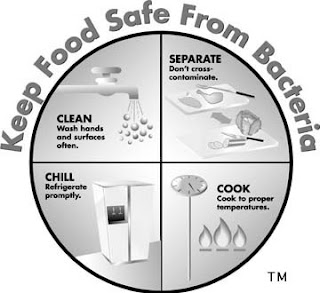 1. Foodborne Illness - A foodborne illness is still the most prevalent risk with food. It’s made even more so by high-density, low-sanitation livestock facilities, among other factory farm practices, which spread disease at a frightening pace.
76 million Americans suffer from food poisoning each year. More than 300,000 people are hospitalized every year for food related illnesses and more than 5,000 of those people die. Of course, this can be mitigated with better education about food safety and preparation, but it could also be mitigated by better practices on the production, processing, and distribution end.
 2. Contamination - While bacterial and viral contamination that cause foodborne illness are most people’s primary food safety concern, there are also a wide variety of other substances that leech into food and can cause health issues. Heavy metals like lead, mercury, and cadmium are occasionally found in food; ingesting heavy metals can lead to serious cases of poisoning, as well as related diseases like Minamata disease from mercury and Itai-Itai disease from cadmium.
 3. Pesticide Exposure – Pesticides are a food contaminant that warrant special mention. Pesticides are used in many agricultural operations, from fruit and vegetable production to animal feeding operations. Exposure to pesticides has been linked to infertility, birth defects, nervous system damage, poisoning, and even cancer. Washing produce is an important way of reducing pesticide exposure, but there are also organic farmers who do not use synthetic pesticides to begin with.
 4. Antibiotic Resistance – One of the side affects of treating dairy cows with Monsanto’s recombinant bovine growth hormone (commonly known as rBGH) is also increased risk of udder infection. Rather than simply halting use of the hormone, many American companies began using antibiotics excessively as a preventative measure instead. Widespread overuse of antibiotics can cause the development of antibiotic resistant diseases and infections. Bacteria can rapidly evolve this trait with prolonged exposure to antibiotics and using antibiotics in a preventative manner rather than therapeutically can lead to diseases and infections that are untreatable.
 5. Environmental Effects – Agriculture is a major contributor to greenhouse gas emissions and environmental pollution. Soil degradation, water and air contamination, destruction of ecosystems, and climate change are some of the negative ecological consequences of agricultural operations. While there is increasing awareness of these issues and innovative attempts to address them, the de facto practices of the agriculture industry remain troubling.
You can combat these concerns in very simple ways.
1. Foodborne Illness - Purchase food stuffs produced locally to minimize exposure to multiple contaminants that come from people handling the product. Also produce picked and sold at market within a 100 mile radius has less chance of deteriorating and resulting in food poisoning. Wash and store food properly. If you're not certain how to handle certain items go to this website.
2. Contamination - Read the label, ask the grocer questions about country of origin, name of farm, and contact the company to ask about production and processing. Do some research on items that you cannot get locally. The Fair Trade label usually implies it was harvested to the greatest benefit of the worker, but it also often means it was produced to be ethically and environmentally sound.
3. Pesticide Exposure – Organic labels let you know that the product was produced using no to very little natural/environmentally friendly pesticides.
4. Antibiotic Resistance – Look for labels that read organic, no rGHB, and look for local producers and farmers to get your eggs, dairy, meat, and poultry from.
5. Environmental Effects – Trying growing your own garden, sign up to a CSA, and participate in recycling programs in your community.
This website can connect you with some excellent information about all of these above issues and concerns.

76 million Americans suffer from food poisoning each year. More than 300,000 people are hospitalized every year for food related illnesses and more than 5,000 of those people die. Of course, this can be mitigated with better education about food safety and preparation, but it could also be mitigated by better practices on the production, processing, and distribution end.


You can combat these concerns in very simple ways.
1. Foodborne Illness - Purchase food stuffs produced locally to minimize exposure to multiple contaminants that come from people handling the product. Also produce picked and sold at market within a 100 mile radius has less chance of deteriorating and resulting in food poisoning. Wash and store food properly. If you're not certain how to handle certain items go to this website.
2. Contamination - Read the label, ask the grocer questions about country of origin, name of farm, and contact the company to ask about production and processing. Do some research on items that you cannot get locally. The Fair Trade label usually implies it was harvested to the greatest benefit of the worker, but it also often means it was produced to be ethically and environmentally sound.
3. Pesticide Exposure – Organic labels let you know that the product was produced using no to very little natural/environmentally friendly pesticides.
4. Antibiotic Resistance – Look for labels that read organic, no rGHB, and look for local producers and farmers to get your eggs, dairy, meat, and poultry from.
5. Environmental Effects – Trying growing your own garden, sign up to a CSA, and participate in recycling programs in your community.
This website can connect you with some excellent information about all of these above issues and concerns.


